Five Face Card: The Brutal Math Behind Its Ranking
A five face card hand is not a myth, it is a math problem that most players misread because they confuse face cards with court cards. The real question is how a five face card hand ranks inside a standard 52-card deck, and the answer sits in the gap between combinatorial probability and casino payout distortion. If you think drawing five painted faces is a near-miss royal flush, you are already bleeding money.
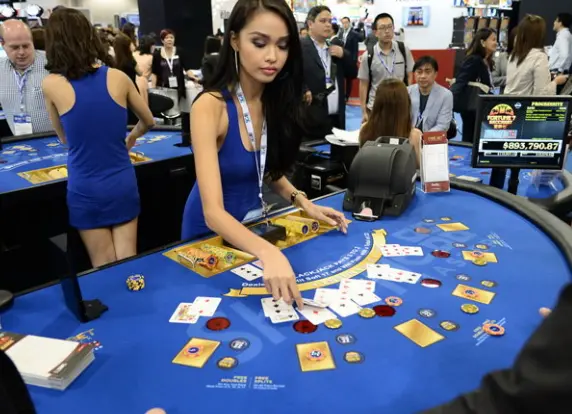
The Face Card Definition Nobody Audits
In any regulated deck, face cards are Jack, Queen, and King across all four suits. That gives you exactly 12 face cards total. A five face card hand means all five cards come from that 12-card pool. No Aces, no tens, no low connectors. This is not a straight, not a flush, not a full house in standard poker ranking. In most video poker paytables, five face cards collapse into a Jacks or Better minimum or a two pair at best. The ranking is brutal because the hand looks premium but pays like garbage.
Auditors who tear apart payout tables know this trap. The visual weight of five painted faces triggers cognitive bias, making players overvalue the hand. The algorithm does not care about your feelings. It counts combinations, not aesthetics.
Combinatorial Rank: Where Five Face Cards Actually Sits
Let us run the cold numbers. Total five-card combinations from 52 cards: 2,598,960. Combinations of five cards drawn only from the 12 face cards: C(12,5) = 792. That is 792 out of 2,598,960, or roughly 0.0305%. Compare that to a royal flush at 4 combinations, or a straight flush at 40 combinations. Five face cards is rarer than four of a kind, rarer than a full house, yet it pays less than a flush in almost every paytable. That is the distortion.

Why Casinos Rank It Below Its True Rarity
Because the hand is not a recognized poker category. It falls into the high card or pair bucket depending on whether any of the five faces share a rank. If you hold J-J-Q-K-K, that is two pair, not five face cards. If you hold J-Q-K of mixed suits plus two more faces with no pair, you hold high card King. The ranking system does not reward the face-card cluster itself. It rewards standard hand hierarchy. This is where video poker volatility eats recreational players alive.
Game designers exploit this gap. They know players will chase painted cards because the screen lights up. The return-to-player on a five face card draw in Jacks or Better sits around 54% when you hold four faces and discard one. That is a sucker bet disguised as a near-win.
Hardware and RNG Implications for Five Face Card Detection
Modern shufflers and RNG-driven decks do not treat face cards differently from number cards. The only variable is deck composition. In a single-deck game, 12 faces out of 52 means 23% of the deck is painted. In an eight-deck shoe, that ratio stays identical but the absolute count balloons. The probability of a five face card hand does not change with deck count because the ratio holds. What changes is the payout structure and whether the game even recognizes the hand as a distinct category.
Slot-style video poker machines use weighted RNG tables. A five face card outcome can be mapped to a losing or break-even bucket regardless of its mathematical rarity. That is the dirty secret. The ranking is not natural, it is programmed. 😤
The Only Ranking That Matters: Expected Value Per Hand
Forget the visual. Forget the rarity flex. The only ranking that matters is expected value. Five face cards without a pair returns less than a low pair in every major paytable variant. The hand ranks below a simple Jacks or Better pair, below two low cards that form a pair, and far below any made flush or straight. If you are holding four face cards and one junk card, the correct play is almost always to discard the junk and chase the fifth face only if the paytable offers a specific bonus. Otherwise, break the faces and draw for a pair or straight flush potential. 🎯
This is where sharp players separate from tourists. The five face card hand is a mirage. Its true rank is a warning label, not a trophy.