Baccarat Happy Hour Table — What's the Deal?
The happy hour baccarat table is almost never the gift it pretends to be — it is a promotional wrapper engineered to move commission volume, and the actual math rarely survives contact with the fine print. Strip away the neon signage and what you find is a standard shoe dealt under altered conditions: reduced minimums, sometimes a bumped commission or a capped pay table, and a time window chosen to exploit soft traffic rather than reward sharp play. I have audited enough of these setups to tell you flatly that the deal is real only for the house, and the players who profit are the ones who read the rate card before they buy in. 💰
The Commission Structure Nobody Reads
Standard baccarat charges 5% commission on banker wins. The happy hour variant loves to quietly restructure that. Some venues push the banker commission to 5.5% or even 6% during the promotion while advertising "reduced minimums" as the headline draw. Do the arithmetic: on a full eight-deck shoe, a half-point commission bump on a banker-heavy hand distribution cuts your expected value by roughly 0.11% per banker bet — which sounds tiny until you realize the base house edge on banker is already 1.06%. That is a double-digit percentage increase in house edge dressed up as a party. 🎯
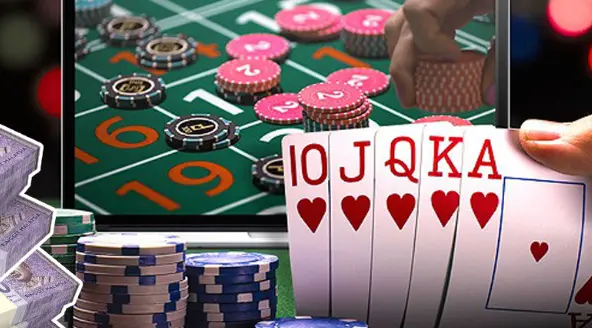
The clever operators go the other way and advertise a commission-free banker bet with a twist: banker wins on a total of six pay 50%. That single rule change adds roughly 1.46% back to the house on every banker wager. If you see "no commission" on the felt, your first question is always what happens on a six. If the dealer cannot answer precisely, walk.
Minimum Bet Traps and Shoe Quality
A happy hour table that drops the minimum from 100 to 25 attracts exactly the wrong crowd for a disciplined player — and that is intentional. Higher player turnover means faster shoes, faster shoes mean more hands per hour, and more hands per hour mean the house edge compounds against a crowd that is betting emotionally. The real tell is the shuffle: promotional tables often run automatic shufflers on a reduced penetration, sometimes cutting off 1.5 decks instead of the standard 1. This is a baccarat happy hour table problem most players never even notice, because the shoe feels fast and exciting while your edge is being ground to dust by card concentration.
Track penetration manually for three shoes. If the cut card lands with more than a deck and a half remaining, the promotional table is a coin-flip machine with extra steps. Demand a manual shoe or find another pit.
Where the Genuine Value Hides
There are legitimate happy hour plays. Look for tables that keep the standard 5% commission, keep full penetration, and add genuine value through side-bet rebates or a capped loss-back on the first hour. A loss-back of 10% on a 50-unit first-hour cap is worth roughly 5 units in expectation — real money, not marketing. The happy hour baccarat promotion is only worth your time when the house gives something back without touching the core commission or penetration. Everything else is theater.

Watch the timing too. Promotions scheduled during dead hours mean fewer dealers, slower service, and a higher chance of a floorman pushing you toward side bets with a 2% to 3% house edge. Politely decline and stick to banker and player. 🃏
Bankroll Discipline Under Promotional Pressure
The psychological trap of a happy hour table is the artificial urgency. Timed promotions, countdown clocks, and "last shoe" announcements are designed to break your flat-betting discipline and push you into progressive staking. A 1-2-4 progression on banker loses its entire edge the moment variance runs cold, and promotional tables are engineered to make cold streaks feel like you are simply unlucky rather than structurally outmatched. Flat bet, cap your session at a fixed number of shoes, and treat the promotion as a small rebate rather than a reason to increase stake size.
The baccarat happy hour table is a rate-card puzzle, not a party. Read the commission, measure the penetration, confirm the side-bet edges, and only then decide whether the rebate is worth the seat. Most of the time it is not — and the few times it is, the math is so thin that one misread rule wipes it out entirely.